Chef Duff, children, crayola, food, New York, retail, toys r us

Let Crayola Eat Cake: Chef Duff from Ace of Cakes Visits Toys R Us Times Square for the 50th Birthday of Crayola’s 64-count Box

My grandpa was a candy maker so loving sweets of all kinds is in my blood. And my sweet of choice: cake. So when my boss, Bob, mentioned that I could join him at the Toys R Us Times Square store for the 50th birthday of Crayola’s 64-count box, I was ecstatic. Chef Duff from Ace of Cakes would be there presenting the centerpiece of every good birthday – the cake. It took 15 people two days to craft a perfect over-sized replica of the 64-count Crayola crayon box. And I can verify for you that after meeting him, he is as much fun and as down-to-Earth as he appears on the show, one of my favorite programs on TV. 

I arrived slightly before 9:00am, and the second floor of the store was already buzzing. PR, cameras, lights, even Dr. Crayola! And in the middle of all those glorious spotlights, this stunning cake and Chef Duff situating it to make sure it looked absolutely perfect at the unveiling. Bob did some b-roll prior to Dr. Crayola taking the stage, and then we had to hurry off to get Bob back for a meeting at the corporate office. 
The golden anniversary of Crayola’s 64-count box was a smashing success – a PR manager’s media dream: all the major networks, happy kids, and smiles filled with cake. To celebrate the occasion, Crayola held an on-line poll of kids to choose eight new Crayola colors. Looking at them, you have to smile. After all, they have names like “super happy”, a bright, sunny yellow. Who doesn’t have happy, creative memories of spending childhood hours coloring? (Fun fact – every year, U.S. children spend a collective 6.3 million hours coloring!) And what better way to celebrate than to let them all eat cake with Duff?!  
If you’d like to check out some pictures of the cake in the making at Charm City Cakes, visit http://www.charmcitycakes.com/noflash/index.cfm?rd=blog
art, creativity, health, New York Times

What we can learn about creativity from those who suffer from FTD

Today’s Health section of the New York Times explored the case of Dr. Anne Adams. She had a rare brain disease known as FTD, frontotemporal dementia. The frontal cortex of her brain, which controls reasoning and planning, began to deteriorate while her right posterior brain, the part that controls creativity, blossomed. Her art, like that pictured at the top of this blog post, grew in complexity.

Just as someone who is blind develops a more keen sense of hearing, Dr. Adams’s creativity grew at the expense of her reasoning. An extreme case, the more Dr. Adams let go of her rational mind, the stronger her creative senses became. Eventually FTD overcame Dr. Adams, though the experience of her last few years has much to teach us about the artistic capabilities that lie dormant in all of our minds.

What if we could put reason aside, temporarily? What if we could silence our inner critic, what if we could put aside judgements and inhibitions, and just pick up a guitar, a paintbrush, a pen?Create whatever it is that floats in and out of our minds, without trying to connect the dots. What creative possibilities do have within us that we, unconsciously, silence every day for the sake of reason? Dr. Adams provides a strong example of our potential.  
creativity, social media, theatre

The Roundabout Theatre Company Connects the Dots: Sunday in the Park with George

The Roundabout Theatre Company was my first professional theatre job. I stayed for about a year, fresh out of undergrad. I have continued to follow their climb, and smile at their continued success. Todd Haimes is without a doubt a brilliant and masterful artistic director.

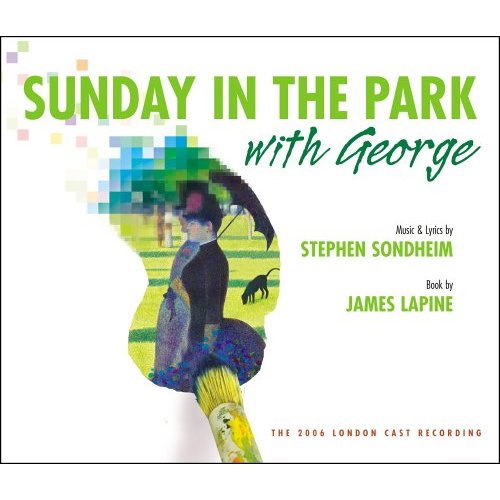
Though they don’t blog, they have begun to venture into the world of social media with videocasts and YouTube pieces. Their production of Sunday in the Park with George is currently playing at Studio 54. The show’s book was written by James Lapine, with music and lyrics by Stephen Sondheim. The musical was inspired by the painting “A Sunday Afternoon on the Island of La Grande Jatte” by Georges Seurat.

Composed of many tiny “pixels”, the Roundabout has invited anyone and everyone to contribute their own photograph to be one of the many tiny images that will make up a re-creation of the painting’s dots, a la Chuck Close. I love this because it asks people to contribute something specific and personal. As a community, we build something together and the Roundabout will send updates periodically to let us know how the progress is going. You can also leave messages for people who have contributed their photos.

In social media, there’s a place for everyone to play, an opportunity for all of us to contribute to the conversation. It’s all about telling your story in your own voice, in a way that makes sense for you organization. To contribute your photo to the Roundabout’s project, visit http://www.sundaydots.com/

live blog

Live Blogging Muscle

All new activities have a learning curve, and live blogging is no different. I was so charged up for day 1 of the BlogHer Business Conference that I was having a hard time focusing enough to live blog the small section that I was responsible for on Day 1. I went home that night and I was scared. Granted, this was not a life or death situation. Still, I had volunteered to do this for the kind people at BlogHer and I really wanted to make sure I captured the information that would be helpful to those who weren’t able to attend and for those who couldn’t get down every concept in every talk.

For Day 2 of the conference, I refined my outlines making the actual blogging easier. I was also in a smaller room which was incredibly helpful. And rather than focusing on my nerves, I focused on the speaker and the information. I wasn’t trying to get every single word – I put my effort towards getting every single concept and the big golden nuggets that were being given by the panels and the audience. And with every post, I felt a little more confident, a little more helpful.

This was a great lesson for me in so many ways. When tackling a difficult or new task, we forget that we need to be kind to ourselves, to make sure that inner voice of encouragement comes shining through. We’re so qick to let that inner critic have its say, shouldn’t our inner champion have the same chance to be heard? And just because a task is hard at first doesn’t mean that we throw in the towel or assume that the task will always be hard. There is something to be said for the wonder and magic of practice. I am grateful to BlogHer for the opportunity to challenge myself and learn some valuable lessons, about blogging, and about living.   

The above photo can be found at http://images.jupiterimages.com/common/detail/27/07/22780727.jpg

business, live blog, social media

BlogHer Business Conference 2008 – Closing Keynote: You Can’t Manufacture Buzz…or can you?

4:30-5:30 PM

Closing Keynote: You Can’t Manufacture Buzz…Or Can You?

Synopsis: Admit it: You work with people who think social media is like magic, don’t you? If you build it, they will come; you will leap to #1 in search rankings, and everyone who checks out your blog will want to write about it in theirs. The truth is that that elusive brass ring, “buzz,” is usually not magic or an accident, but the result of thoughtful strategy and effective execution. Hear about a variety of ways that you, too, can become an “overnight sensation.” 

BlogHer co-founder Elisa Camahort Page moderates this discussion with some women who have a pretty clear idea on exactly how much work goes into creating the effortless, viral spread of a message:

Melissa Anelli is the webmistress behind prominent Harry Potter fan site, The Leaky Cauldron. She has overseen the site’s development as the premier source for Potter info, community and fanfic, and as a validated media outlet that gets the same access and treatment from the publisher, author and studio as more traditional outlets (if not better!) Lots of fans have started and maintained sites, but what has allowed this one to become the sensation it is? Content, community, charitable tie-ins…and an absolute passion doesn’t hurt.

You may know Kathryn Finney as The Budget Fashionista. She has leveraged her “love of fashion and lack of cash” into a book and into features and mentions in over 300 major print publications (New York Times, InStyle, Redbook, Wall Street Journal), and over 50 television segments including multiple appearances on NBC’s TODAY Show, Good Morning America, and CNN. Now, that’s some buzz!

Kerry Miller leads a double-life. By day she is a BusinessWeek reporter, covering small businesses and start-ups…many of them web-based. But she is also the proprietress of PassiveAggressiveNotes.com. A side project that she has grown to a million page views a month by concentrating on content, community…and by getting some well-timed bumps in traffic from influential sources. Kerry believes we all need that devil’s advocate who will ask: If you build that, will anyone really want to come?

Live Blog Post Begins:

Elisa – some think blogs are magic. But it needs attention. Hat’s underneath that success?

Melissa – Leaky Cauldron is focused on meeting the insatiable appetite for Harry Potter. The site started in 2000. A couple of friend who realized how popular HP would be. She was trying to be a reporter. But she wanted fans to do their own reporting. In her spare time, she would nag everyone in the HP franchise to talk to them. Media companies eventually saw that this collection of fans was powerful. 

Then started becoming a general purpose site as well. Can’t ever fill the customers’ wants. 

Kathryn – loved fashion, lacked cash. Mom was earliest audience and the only one who logged on. Started using Grey Matter platform. Then diverse audiences started finding her. Mature fashionistas started logging on. Everyone was sort of broke and couldn’t spend so much on clothes and accessories. Remembering your roots is important. Core message is the same – fabulous for less. How to shop a Target, for example. Started in 2003.

Elise – blogs have exploded since 2000. Is the blogging world different? Can you stand out? 

Kerry – started blog in 2000. Media day job. New to blog space. She found a niche very recently that helped her stand out. Passiveaggressivenotes.com is a photo blog of a collection of notes from people. Funny, read between the lines kind of notes. Grandmother sent her a note with cookies “Enjoy, but don’t eat too many!” Had been a blog reader for a while. Had a Diary Land page back in 1998. Started her note on a lark. Was on a bad date. Autopilot conversation. Roommates had gotten so bad that they only communicated through post-its. Started it as a joke and mentioned to her date that she should put these notes on-line. And the date said she should. So she did. 

Elise – attribute some of the success of these blogs through luck. 

Kathryn – well, it was luck and SEO. First big break was in January of 2004. AP reporter contacted her after finding her on Google. And then the article was in 150K newspapers. Husband is in tech field. Google wasn’t as huge anymore. Put in key words like “sample sale” increased her traffic ratings on Google. 

Elise – blogs are good for SEO, but keywords and hyper-linking are the keys to making blogs successful. 

Kathryn – content is key. Don’t change it so much that it effects your ability to relate to the audience. 

Melissa – Community helped create the lucky moment. Didn’t know what SEO was until a year ago. Summer before the first HP film was going to be released. Didn’t even have comments on the blog yet. A community member leaked the trailer to the first movie. Their blog was the first to post it. It catapulted the blog. Now there are tons of HP blogs. 5 – 10 minutes can make a difference in who gets the best hits. 

One morning before one of the books was released, they were the first by a few minutes to get a news story and that helped them get quoted in many of the morning papers. Being obsessive about email helps. 

Kathryn – early last year they heard last year that Sarah Jessica Parker was doing a line for Steve and Barry. They got some photos of the clothes. Held the info until they knew that the article was coming out in the newspaper the next day. So they scooped them. But it was just another celebrity with a line. Readers weren’t so psyched. 

Then a few days later, Steve and Barry’s asked for the photos. It became a big issue for them. So the put the question to the readers about whether to take down the photos. Turns out the photos were promised to Oprah and O Magazine. They did take the pics down. When SJP went on Oprah, the blog came up as the number one Google hit, all because of SEO. 

Kerry – also had a lucky moment. A lo of user generated content – she curates it. Less than a 100 page views on May 20th, to 150K then next day once the site was featured on Boing Boing. She knew she wanted to get on there. She had a list that she wanted to get on there. The content is really what’s key. It’s not the technology. 

My site is something that people go to when they’re bored and they want a break, a quick laugh without too much investment.

Melissa – doesn’t post too often anymore. She does other administrative work now. The HP culture is everywhere. We keep the average HP fan informed. 

Kathryn – my site is to let people know where the sales are. Balance the need to want fashion regardless of age, shape, color and not pay a ton for it. We started before the budget trend was big – same year as Isaac Mizrahi went to Target. She also like the forum part and she loves the readers. She’s learned more from them than they learn from her.


Kerry – does one post every week day. Have a backlog of 2000 notes to post. But wants to post slowly. One new thing per day. Don’t want to go crazy and burn out. Have people want more; don’t overwhelm them. 

Jory – there is a pressure on curating, editing, selecting. 

Kathryn – my blog became bigger than me.  Teaching people how to live great lives for less. Truthful, honest opinions. For them, it is all about the readers. 

Melissa – when she allowed the staff to build and let go a bit, it runs like clock work. No one person can do everything. 

Kerry – blog has changed and her writing has adapted to what works and what doesn’t. Hidden jokes. A little intro for each. People come back for the comments. First, had a bar with the most frequent posters. Now, she highlights the best comment every day. 

Question – a good blogger is someone who tends to be hard-headed. What lessons have you learned. 

Kerry – don’t get discouraged by the tyranny of the minority.

Melissa – there is a poll on the blog. Polls are changed fairly often. The comments on the poll are like a chat room. And we just left it alone. And then we changed it so you had to refresh the whole page, not just the comment section and people went nuts. Stay calm. Don’t defend yourself. Don’t engage in the anger. Step back and just let it go. 

Kathryn – now some guys want to get into this space. We had to learn how to communicate to different groups. Fashion bloggers know each other, we’re friends.   

Jory – As you get bigger, there’s a bigger financial interest. What are the pressures that have come along with that? Have people wanted to take advantage of your audiences?

Kathryn – I always put my readers first. They get an opinion. Readers want you to be successful, especially if you are true to who you are. Make money, sure, but be consistent with who you are and what you write about. TJ Maxx sponsored my book tour. Great! If Saks had sponsored it, that wouldn’t make sense. I am about budget fashion. The people who read my blog made me who I am. 

Melissa – No one who works for the site is rich. Everyone has day jobs. We only added ads recently.

Elise – how did you ever grow these sites that allows you to make money to keep supporting them? Content, community, and technology working together. Can you rank the importance?

Kerry – can’t separate them out. You need all three. Get the word out as cheaply as possible, adapt, and be fast to react.

Melissa – Content and community are even. Technology is after those two. 

Kathryn – Content and community are the top two. Blogging platform can come from anywhere.

Kerry – started blog anonymously. Didn’t put name up here because of work at first. Assumed she was a man at first. Because it’s a humor site, people assume it’s a man. Putting her name on the blog has been a positive thing. 

Melissa – put out donation drive when server got so crazy. In one day we got $12,000 from our readers. And then we put up ads. 

Kerry – I didn’t start my blog to make money. Some friends are blogging because they want to show that they have web experience or because they want a book deal. Saying that you know social media can have a value. That changes the ROI.

Kathryn – got book deal in 2004. Did blog and book at the same time. Gained 30 pounds and didn’t sleep. It affected my health. Assess how much your voice is needed on the blog. Writing a book is not an easy process. Probably need to cut down on writing the blog while you’re writing a book.

Melissa – when she was writing a book proposal, she also wrote the blog and had a day job. She quit her job. The day before she left her book sold. 6 -7 months lead up to book, I wrote in the blog, and then as it got closer I stopped writing in the blog.

Elise – passion and dedication and commitment is critical, too.     


blog, blogging, creativity, live blog, social media, social media creation

BlogHer Business Conference 2008 Day 2 3:00 – 4:15: Beyond Blogging

Title: Beyond Blogging

Track: Social Media Creation Best Practices 

Synopsis: Can companies leverage apps like Facebook, Twitter, YouTube, and on and on? Or are they destined to be considered “creepies”? Apps like these hold tremendous promise, but most of us feel like we’re flailing about in uncharted waters. We’ll talk with a few folks who have managed to catch lightning in a jar and find a way to authentically generate interest, community and even viral buzz…using these social networking and micro-blogging tools. 

Anna Farmery has focused all of her marketing efforts in social media and seen real results. 65% of her 2007 income can be tracked to contacts who found her via her podcast. Moreover her client base used to include zero customers outside the UK, while now 40% of her customers are global. Adding social networks and microblogging to the mix is only amping up her results even further. Anna will be moderating the discussion with these other power-users. 

Connie Reece is one of the women behind the recent Frozen Peas Fund phenomenon on Twitter. This is an amazing story of social media in positive action. Dawn Foster manages Developer Relations for Jive Software and is an active organizer of the thriving Portland tech community. Between those two jobs she finds using Facebook, Twiiter, Blip.TV and other social apps to be instrumental in helping her foster and maintain engaged communities. 

Shay Pausa is a video expert who can speak to best practices on everything from content to technology to distribution. 

Finally Trisha Okubo can answer that all-important question: Is it worth it for your company to create a Facebook application? She has created three in her role at eBay and has a lot of learnings to share. These are real people representing real companies making real things happen via these tools. It’s not all playing around!


Live Blog Post Begins:

A panel full of web stars!!

Connie – uses Twitter to promote her work.

Dawn is a community specialist. On-line and link to real world communities. 

Trisha – a disruptive innovator. 

Shay – Executive producer of “She Knows TV.” A video expert.

Anna – podcaster and blogger. Founded a company called “The Engaging Brand”.

Shay – really important to know that there is so much user-generated video content out there. Recognize that what is looked and what people virally syndicate is the story itself. Now everyone can be a video producer. 

Anna – The thought of producing a video is daunting. 

Shay – what TV through a different eye – watch what they’re shooting. Any guest is only on for seconds at a time. With a series of pictures, you can put together story. This is as sample as getting some movie software. Add visuals to what you’re already writing. 

Anna – does video suit everyone?

Shay – Watch TV and see what you’ll need to produce on the net. There’s a video component that works for everyone. You just don’t want to be boring. Yes everyone has a book in them, but who wants to read it? It’s an important thing to look at. 

Anna – I know how to press record, now what do I do when I get home. 

Shay – need come software to capture it. Pinnacle is a very inexpensive product. Can download for $29.95 onto computer. And then you drag and drop, and cut and chop, to edit. Very easy to use. 

Shay – good sites to publish video are Voxin, Bright Cove (SEO friendly), You Tube, videos on My Space. The general ones you know are good. I recommend Bright Cove. Distribution is phenomenal. Video bio make people feel like they know you – don’t script it. Make it real. 

Michael Eisner said, “The reason that TV production companies are having a tough time on the internet is because it’s difficult to monetize the internet. Networks need 4 people to do craft services. Internet takes 4 people to do the whole project.”

TV production is too cost prohibitive. On-line video is much cheaper. Shay’s site is Sheknows.com (4th largest site for women). She owns chikitv.com.

All profiles are on the BlogHer website. 

Trisha – works in eBay’s disruptive innovation group. Has been exploring commerce in Facebook. You can learn form mistakes quickly, easily, and cheap. Created my eBay on Facebook to see what friends on Facebook bought. People go to Facebook to hang out, not shop. Shopping is not the reason for going there. More value in putting social aspect on commerce site. Vice versa doesn’t work so well.  

Dawn – can write code and was a developer once. And now has a social and community aspect as well.  Really know your audience and how to reach them. Give them a chance to participate. Done a lot of work in nonprofit area. Can promote events virally. Bring in as many as 800 people advertising on Twitter and Facebook. Incredible response!

Trisha – metrics for Facebook were how many people joined the community. Comments are more valuable though. Some sellers had a community that buys form them on eBay on their Facebook page. 

Connie – tapped into a community that she knew to tell a personal story through twitter. Frozen Pea Fund. Very active in Twitter. She is a social media consultant. Her business partner, Susan, and she met on-line. They were about to launch a company and Susan learned that she had breast cancer. Very serious. Immediate operation. A lot of pain. And Susan took a picture of herself with frozen peas as an ice pack. She shared it all on-line. Her blog was called Boobsonice.com. Someone else put a pkg of frozen peas as their avatar and then the peas went viral. 

A comedian, Kathleen, suggested that wouldn’t it be great if all women donated the cost of a pack of frozen peas to a breast cancer nonprofit. Built flickr group, built pea-vatars. December 21st the frozen pea fund launched. $3500 raised in 15 hours from 3 continents. Raised $8000 in the next few months. 

A journalist tracked her down through Twitter to do a story. All done with no organization, no planning. Here’s a compelling story. Everyone knows someone with breast cancer. Especially men come out to meet Susan every time she appears in public. They trust her even though they only know her on-line. It’s like a reunion to meet people on-line. There is a real community out there.

Anna – how can commerce use Twitter?    

Connie – you have to be careful. You have to limit the use of twitter to make sure you don’t wear out your welcome. She never talks about anything she can’t endorse. You only have so much social capital. So be careful how you use it. The community will give you feedback. When forwarding links, make sure to include a headline.

Trisha – recommends a Profile Page over a Facebok page on Facebook. Put a person behind the page, not just the business. Make it human. Gives context. What can you do for the community on Facebook rather than always thinking vice versa. 

Connie – Facebook sometimes isn’t the best place for companies. Explore social networks where your target audience is. All social networks are not created equal. 

Trisha – aspirational brands, brands that don’t belong, brands that people directly relate to. Go to the network that best speaks to the kind of brand you are. 

Dawn – make sure there is conversation that doesn’t necessarily relate to your brand to make the profile authentic.     

Anna – About 70% of my business comes from my blog and podcast. Facebook didn’t work for me. My customers weren’t there. They want to deal directly with me, not all my other customers. 

Connie – lifespan of something on Twitter is very short. Not as effective as it once was. 

Trisha – There will be another Facebook. Friendfeed is great, it centralizes all your data. It allows you to take all of your services across the web and puts them all together. 

Dawn – Friendfeed is an aggregator and fragments the conversation. 

Connie – something beyond Twitter is coming soon. Sesmic just bought up Twirl this week. Utters is great because it’s portable. But threading these conversations and keeping track is tough.   

Dawn – Some of these social networks are generational. Twitter is 30-somethings. Facebook is college and older. I wonder if our next social network will be centered around another generation. It will be fun to see what happens. 

Connie – ConnieReece on Twitter. Everydotconnect.com is the blog. Frozen peapod.com

Dawn – Geekygirldawn, fastwonderblog.com

Trisha – TrishaOkubo.com

Anna – the engagingbrand.com, on Twitter as Engaging Brand.

blog, blogging, creativity, social media, social media creation

BlogHer Business Conference 2008 Day 2 1:15 – 2:30: Overcoming Internal Objections 101

1:15-2:30 PM

Break-Out Session #2


Title: Overcoming Internal Objections 101

Track: Social Media Creation Best Practices 

Synopsis: As the head of all of Google’s internal and external blogging efforts, Karen Wickre has seen and heard it all. Every objection, every concern, every barrier. Karen will moderate a discussion about how to answer the objections and concerns that arise when trying to sell a social media program internally. She’ll be joined by experts who have successfully made the case for blogging at companies large and small, bureaucratic and free-wheeling, including: 

Yvonne Divita, who has gotten Purina dipping a toe and then diving right into blogging 

Lena West, an expert on helping companies figure out how to manage their time and resources to enable a social media program. 

Margaret Gurowitz will talk about managing her blog Kilmer House, a company blog at J&J, a company with a policy of no company blogs! 

Social Media Creation Best Practices Track is brought to you by Ogilvy’s

Live Blog Post Begins:

Margaret – No blogs policy at J&J. 3 external blogs. 

Yvonne – felt Purina should be blogging. Lawyers wouldn’t let them. Yvonne was allowed to blog “under the radar.” So she did. They are now above the radar. It’s been very successful. 

Lena – Zenomedia.com CEO. “If you’ve heard and objection, I have an answer to it.”

Margaret – Consumer products and pharma side. Enables us to go back to the way we used to talk to people directly 100 years ago. 2006 was the anniversary of the San Fran Earthquake. J&J wanted to blog about the effort they put forward in San Fran. Idea was squashed. Privacy concerns. Legal concerns. Yet they had so much history to tell a great story. So they decided to blog about their history. 

Rather than go through the central authority, they wrote a business case and went to people one by one. “What are your concerns?” And one by one, they answered them. 

Kilmer House launched in the summer of 2006. Massive horrible things didn’t happen. Paved the way for “J&J by the way”. More approval was needed, but it happened. First pharma blog also just launched. 

There is brand value in the information that is put out on the blogs. Corporations love stuff they can measure. Reporters are finding them and their stories through the blog. 

Yvonne – went to interactive media director at Purina and convinced them to let her blog. The majority of pet owners are women. She has a background in veterinary medicine. She created a proposal and Purina sat on it for a while. “I got to be careful of lawyers.” So she went under the radar. And she said, “if you don’t do this, I’ll take it somewhere else.” And that got their attention. 

Clear cut guidelines were established. Some topics were off-limits. And that was fine. Press releases were modified and she talked about the content of what was in the press release. She begged them to let her talk to someone about it. She wanted to put something up on the blog. She couldn’t get someone to give her info from the company. Not a single bad comment was critical of Purina with the recall.                     

The blog has been up for a year and a half. Went to Purina’s interactive marketing summit. Each brand in Purina is its own little company. The success has helped to support other social media efforts. She is not an employee of Purina. 

Also now blogging for the Simon School at University of Rochester. Hugely successful. 

Lena – felt that the site for Women’s e-news needed some revamping. So she offered up her help. July 2007 started talks. Still just starting to move on the suggestions now. Their hesitation was journalistic integrity. Fine with the board and getting legal on board. They wanted to remain journalists. 

To move the social media agenda forward, someone needs to get the guts and get out there. It takes courage. 

Karen – objections are drawn from the worst case scenarios. It’s basically a fast publishing platform. “Speed is life.”

In the session there are a mix of people within companies who work on social media and people who are consulting to companies on social media. 

Karen – Google has about 110 blogs. About half are not in English. Each post is reviewed by someone in PR, though not legal. Legal has embraced blogging from the get-go. Education needed internally on how to create a personal, informal post. 

Lena – we work with multiple blog authors within the company. Anticipate objections and have an answer to them. Sometimes objectors in blogs can smell fear. Don’t give them the space to object. Think of scenarios and have answers. Maneuver in the situation. Fake it ‘til you make it.      

Yvonne – a lot of people want me to blog about them and their pets. Sometimes do – for example with rescue organizations. She did help one woman who wanted some PR for her rescue organization. A few months later the woman was furious that the picture of her pet was up on the site. Turned out the woman was upset because her dog had recently been hit by a car and died. Yvonne stayed open to the anger and discovered the problem, remedied it right away, and now the woman is a friend of hers. Staying level-headed helps. 

Margaret – serial blogs can drive lots of traffic – just like reading a great book. Discovering underlying reasons for objections helps.

Lena – do not get every objector in one room together. Have separate rooms and answer individual concerns. Create a checklist of what everyone wants, check that off, coach the objectors, and at the end you will have a sign-off list. Present copies to every single person in the meeting at the kick-off. Strategize on approach of the pitch as much as you do about the design and content of the blog. 

Karen – domino effect will help. 

Lena – do what you need to do to sell this idea. Whatever it takes. Best defense is a good offense. 

Yvonne – a new blog for Purina is about to launch. “Send me in writing what you are worried about.” 


Yvonne – she builds a lot of blogs for small businesses. If there’s no one who is going to be devoted to it on a regular basis, then blogging won’t work. If you’re fighting the company with the objections, then it may be better to just participate with comments on other sites.

Lena – you can be short on time or money, but not both. Lena’ company will coach, help, guide you, but they will not drag you kicking and screaming. 

Karen – start a site internally and see how well it goes. That is a good test.

Lena – won’t work with a company unless they are ready for success. 

Yvonne – here’s a question. “If you started a blog, would you get in trouble? And if so, why? And if you know why, then how could you remedy that?” Show them blogs that are out there. Look at comments, look at blogroll. Phrase it as “you’ve got to keep up. We can do this better than these other folks are doing it.”

Lena – draw up a huge proposal, in the hopes of getting even just a small piece of it. And it becomes the boss’s idea.  

Lena – quantcast.com shows company blog stats from companies. Yes focus on return is fair but drive home the point that what we invest is in direct relation to what we get in return. 

Yvonne – dozen Google alerts on Purina. People are out there talking about Purina, even if not on the company blog. Pet communities comment all the time and ask to link. It is seen as Yvonne’s blog, not necessarily Purina. Dr. Larry writes about pet ailments on the blog. 

Yvonne – feed burner, Google stats, etc. are used to monitor stats. And how many people comment by email. The more valuable part is how many relationships have been built as a result. 

Margaret – having another blog link back to yours is incredibly valued. 

Lena – it’s true that what doesn’t get measured gets forgotten. Figure out what metrics dictate success and how you are going to measure them. This is critical. Have goals in metrics, and an agreed method of what goes into measuring them. Focus on the basics. You can only focus on three things at any one time. A massive spreadsheet is too much. 

Yvonne – Purina occasionally asks about an incident that there is something going on and wants info.

Margaret – J&J’s .com site platform didn’t support blogging software. They went out to an open source platform and it does what we want. Didn’t go through IT. Communications function, not IT. 

Yvonne – use Typepad because it’s point and click. It’s fully-functionality and it is easy to use. Any design can be used for a website. The goal is to turn it all over to the client to manage it. 

Lena – product agnostic. Get the solution that is best for the company. Largely we use WordPress. Allows other people to run it because open-source is portable and scalable. Open-source vs. home-grown can be a valid argument. Send out an RFP to a few companies, show how much it costs to have a homegrown application, and then show them what it costs for an open-source platform. They’ll change their tune.

Yvonne – blogs are small sound bites on the internet. The pieces need to be short. Journalistically, use proper English. Few acronyms. Personal voice that is written with the same professionalism as with magazines. You have to track-back, link to sources. Make sure you are 100% accurate. Fact checking is important. 

Karen – let the linking do the heavy lifting. Open link in a new window. We have some blogs with comments and some without. 

Lena – it’s called social media. It’s supposed to be social. If you’re wondering if there is any question on fair usage, make sure you give credit. If anything, over-credit your sources. You would want to be quoted, so quote others. You build a brand, and others to. Make sure to give them credit for that.     

Margaret – always attributes. 

Yvonne – Creative Commons is a great resource. 

Lena – software called Copyscape can help you monitor how your comment is being used in other places. 

blog, blogging, creativity, social media, social media creation

BlogHer Business Conference 2008 Day 2 10:45 – 12 noon: Moving from Should to Can

10:45-12:00 PM

Break-Out Session #1


Title: Moving From “Should” to “Can”


Track: Social Media Creation Best Practices


Synopsis: You’ve heard all the reason you’re supposed to have a company blog and more. But let’s talk about moving from “should” to “can.” From technology choices to time management, community policies to common pitfalls, this session is designed to help you figure out what will give your company the greatest comfort level and potential for success when launching a blog, podcast or online community.


Technologist and author Susannah Gardner moderates this discussion. Susannah is the author of Blogging for Dummies, 2nd Edition.


Fast Company’s Lynne D. Johnson will talk about the why and how behind Fast Company’s recent evolution from magazine web site, with blogs, to a more interactive social community.


We’ll also get insight on how PBS Parents is making the journey from “should” to “can” by talking to the Director of PBS Parents, Jean Crawford, and one of her blogger/consultants, Jen Lemen…someone who is associated with the most authentic and creative aspects of the blogosphere, but is helping organizations tap into their opportunities to be a part of it. Check out her blog at http://www.jenlemen.com.


Social Media Creation Best Practices Track is brought to you by Ogilvy’s


Live Blog Post Begins:

This session talks about the idea of wanting to just try o start moving from an idea to a concept. Pushing through barriers to put ideas into practice. We’ll get at what’s holding us back.


Jean – PBS Parents site launched about 3 years ago. And so much has changed in that time on the internet. Blogs and the community have blossomed and that is a hole in the site and in he PBS Corporation. History nurturing dialogue is part of the brand so PBS needs to get into blogs. The challenge is that the brand is incredibly trusted so there is a reluctance to do anything that may damage that reputation. Need to find right voice to mitigate the risk.


A curious, empathetic voice is needed. PBS lucked out in finding three trusted voices – Jen Lemen, Chris Hammond, and their third sister. This all started at BlogHer last year when Jean met Chris. The sisters are a great mixture of different personalities. Project started 1 year ago. The new site is launching shortly. Important to make it the sisters’ blog, not PBS blog.


An external voice was brought in to draw on the experience of outside bloggers rather than choosing someone from the inside. Jean doesn’t blog, and she wanted to find someone who had a truly authentic voice. These sisters will know how to engage people, who can draw people in. They will be accepted.


Collaborative for his blog means that there will be three authors (the sisters), PBS, and structuring I and organizing it in a way that everyone works together to keep the dialogue going.


Jen – All credit goes to Chris. Brought her 6 week old baby to BlogHer last year. She was a little magnet for people. She met Jean and got things going and introduced Jean to her. Putting our foot in the water to see if this work. Kids love PBS so this was a natural fit. A little nervous about working with corporations – common for bloggers. Independent writer her whole career. When the meeting happened, she became s much more comfortable because the PBS space is designed well, it’s a comforting place, an inspirational place.  It instantly relaxed me.


Jean – I saw Jen staring at the environment and she was mesmerized by the value that were on the wall at PBS. (Brave, inspiration, empathy, to name a few.)


Jen – Working with sisters is interesting. Now we have to take this great idea and make it happen. We decided it would make the most sense to have one person to pull together the design. Chris is an attorney and business savvy, so she is dealing with the contract. Patience (the third sister) is pulling together the content. She has blogged for five years and has a wonderful community that follows her blog.


Jen laid out how the blog should look, how often they should post. Visualizing the process. Now her role drops back and her sisters drive the process forward.


Lynne – started its life as a magazine. Moved from being print product with a website to moving to being a social network for its readers. About 8-10 years ago, Fast Company started “Company of Friends” – special interest groups. Like a fan club once the magazine came out. List serves, calendars, events, etc. That was going strong for a few years and then it fell off.


So we started to build up content of website beyond the magazine. Lynne has been there for two years. Podcasts, videos, Fast Company TV, expert bloggers. She brought the expert bloggers across different disciplines. New social network became bigger than any of the experts. Everything you do on the site follows you on your profile that you set up. It becomes sharing your interests based on activity on the site.


Magazine subscribers have now fundamentally shifted how they view the company. Print people were wondering if they were trying to be Facebook. Lynne has been a part of social media for over 7 years. That’s why she was brought in. She is a face of what this community represents – she walks the walk and talks the talk.


The site has the magazine, but it’s not the main focus anymore. They curate the 9 home pages that have the main points of focus.


Stumbling blocks that stop the social media creation process – time to dedicate to the effort, money, age of the person who wants to do the project, learning the language of this new industry, getting out of our comfort zone to learn about the technology, fear internally, and companies being afraid of losing control in the world of social media, being overwhelmed by all of the social media options, lack of understanding on how to drive traffic to a blog, explaining the concept. 


Lynne – if you don’t want to start a new on-line initiative, you can start a group around your company on Fast Company, Inc. Biznet (for small businesses), Facebook. Easy ways to share.


Jen – there are digital natives and digital immigrants. For the digital immigrants it can be very confusing and difficult. What they need are tour guides. What’s missing in the conversation right now are the guides. There are people in this room who can help you. Women who blog are so willing to share their expertise and knowledge. Utilize them. Connect to one another.


Jean – Being part of the conversation was big for PBS. The discussion was happening out there – people engaging, sharing ideas. PBS wanted to share, too. Jean was a digital immigrant, if that. Maybe just on the way on the boat. She relied heavily on Jen and her sisters.


Breaking through barriers with mgmt at PBS was not an issue. In their nature, they are about communities and about communication. The money and resource issue was tough. Was eventually able to scrounge up a budget but people power issues was tough.


Aligned mission of organization to the mission of a blog. Matched overall principles. Social media is a strategy now of the interactive group.


Lynne – some internal conflicts at Fast Company in this shift. From management and from other areas of the company. The people in print were not happy about the blog-look of the pages. That was the point. It doesn’t function like a magazine anymore.


Internally, they had a lot of meetings. They did change their minds a lot about how the site should look. As they went through the journey, they found an authentic, functional look.


No compromises were made. Some suggestions from the print people were incorporated. They will have a “Great Idea of the Day”. Can come from writers and editors of the magazine. Things like that.


Jen – We wanted to be paid the same rate as professional writers. If that level of respect is there, then that is a good sign. Same as a freelancer for a magazine. You aren’t just asking for a post – you are asking for a finely crafted piece. PBS understands that. 


An average amount of time would be based on how much each post takes to write. Each sister needs to spend 8-10 hours per week on the blog.  


Lynne – Fought to pay expert bloggers. They had to be provocative and publish on a schedule. These are real writers. Now, finally, they are looking for revenue shares for them.


Jean – Hiring a community manager. Have been trying to do so for three years. To do this right, they need to be able to support the sisters. The sisters wanted a schedule and some structure imposed by PBS. That will help them in working together.


Overarching structure is in child development. It is the topic that PBS is asked about the most. The bloggers will use stories about their children to talk about child development.


Audience comments on fear – legal aspects, how to deal with negative comments. You don’t get over the fear, you just take the risk. Sit downs with lawyers are necessary. Moderated comments put some liability on the company in a legal realm. Starting small and getting some small wins will help in selling the concept up the food chain. Numbers speak volumes.


March of Dimes created a Spanish-language blog completely under the table. 50 comments every day. 7000 hits in one day. Got called on the carpet for it. And once they saw the success, they then wanted a blog in English. English one is not so great. The Spanish one rocks!


Lynne – Only take comments down if they are slanderous, way off-topic. It’s in their terms of service. Fast Company doesn’t dismiss personal, honest opinions. The risk is worth it.


Jean – Expert Q&A blog. Disclaimer on the site about language. Otherwise, they leave it. Will delete a comment if it is completely off-topic.


Lynne – She sort of has a technology background. For these social media efforts, they sell the marketing aspect first and then put the technology behind it. She does the cross-functional team work to get everyone together on the same page.


One big take-away: to move form should to can you need to find the right people, internal or external. Really what it comes down to is someone who takes responsibility and makes it fit for the company. Lynne is the product manager as well as the editor. Jean says showing a passion for the idea is critical. Being on-line requires wearing different hats.


Jen – would love it if more business people will appeal to the expertise of bloggers.


Jean – don’t give up. Keep at it. Show the benefits. If anyone has a name for the blog, or wants to be in a brainstorming session or participating in the beta, let Jean know.


Lynne – you need to sell management and selling the social media community. It’s really important to include people in what you’re doing. You need to respond to inquiries.


Susannah – people are the solution, not the technology. Someone needs to own it, nurture it, and someone needs to be there.         


blog, dreams, live blog, work

Token Taker

I consciously never learned how to type. This was entirely intentional. I refused to learn how to type. I may be the only person on Earth who can “hunt and peck” at 60 words per minute. 

Today and tomorrow, I am live blogging from the BlogHer Business Conference. Rita Ahrens, a talented and successful blogger, is submitting beautifully formatted live blog posts at 120 wpm without a typo. I’m submitting mine MUCH slower and in a slightly more overwhelmed fashion. She’s a professional, I get it. Editing and writing are her job. Still, I look at her perfect formatting in record time, capturing word for word what’s happening, and wish I could do that, too. Maybe learning how to type wouldn’t have been such a bad idea after all. 
Did you see the movie “While You Were Sleeping”? Corny chick flick, yes, but for me Sandra Bullock’s character was all too familiar. I’ve gone through most of my adult life trying to keep from being her portrayal of the “L” token taker in Chicago. I didn’t want to feel downtrodden by a system. I wanted to CREATE the system. 
I watched my mom struggle to raise a family on an admin salary, and there was no way I was going to disappoint her by having any excuse to follow that same route. She wanted more for me and I want more for me, too. So I figured if I didn’t learn to type, I couldn’t be someone’s admin. Now as a blogger, that seems rather foolish. I could be much faster and much more effective if I had learned to type properly. 
Still, every time I begin my hunt and peck routine I am reminded of the goals I have ahead of me. It’s sort of my form of rebellion, and a little reminder to keep dreaming bigger and bigger.